A Call About Your Bill, Then a Knock at the Door: How Fake Utility Workers Get Bank Cards and PINs, and the One Call That Stops Them
Prosecutors in Philadelphia say callers posing as the power, gas or water company sent a fake worker to collect bank cards and PINs. Here is how the trap works, and the one call that stops it.
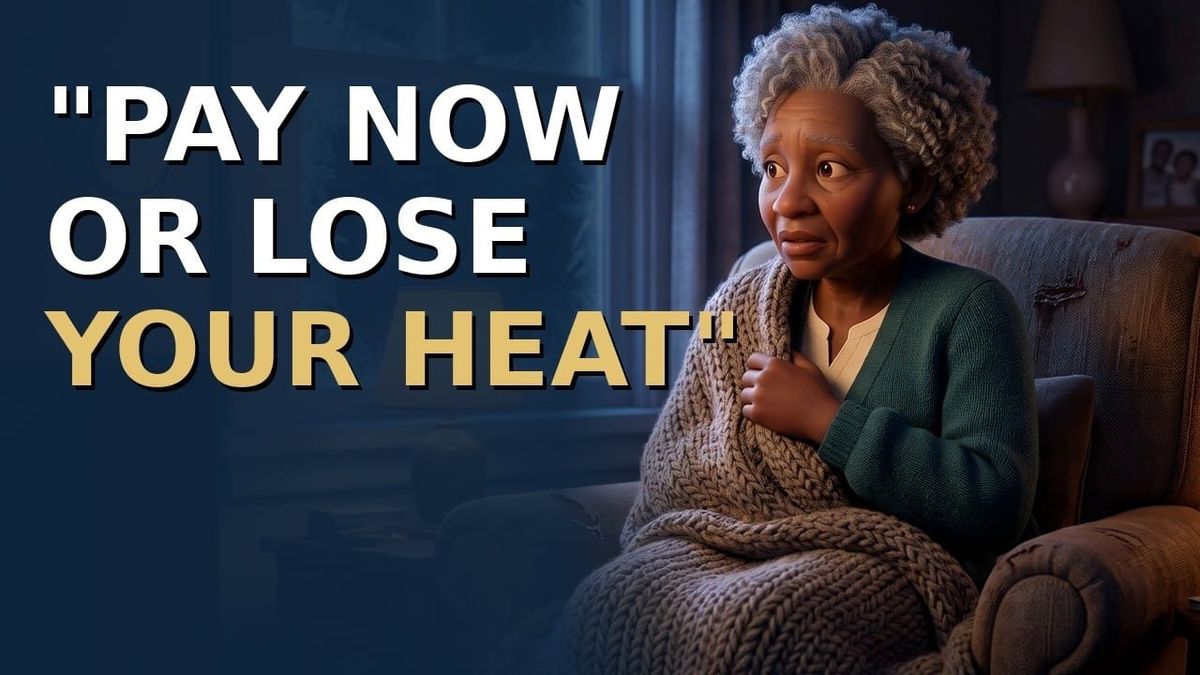
Prosecutors in Philadelphia say it started with a phone call.
The caller said he was from the electric company or the gas company. Other times he said he was from the water department, or from the bank. He told an older customer there was a problem with a recent payment, and said someone would come by to fix it.
Then a man showed up at the door. He asked for the customer's bank card, and the PIN that goes with it. Then, prosecutors say, the money started leaving the account.
Prosecutors say more than 35 older people lost about half a million dollars, starting in June 2024. The oldest was 90. Prosecutors believe many more people were targeted.
What a utility impostor scam is
This is called a utility impostor scam. The caller pretends to be your power, gas or water company. Sometimes he pretends to be your bank. Police in other places, including Maryland, have warned about fake utility workers too.
Utilities say these scams pick up in late fall and winter. Nobody wants the heat shut off in the cold, and that fear is exactly what scammers count on.
How the trap works
- The scare. The caller says your power or your heat will be shut off today. He may say a crew is already on the way. Caller ID may even show the utility's name.
- The pressure. He says you must pay right now to stop the shut-off. He may ask for a gift card or a wire transfer.
- The knock at the door. Sometimes a man arrives dressed like a worker. He may ask for your bank card and your PIN. Or he may ask to come inside to check something in the house. Once inside, he may look for cash and jewelry.
In a separate Philadelphia case in June 2026, police were searching for a man accused of posing as a utility worker to get into older residents' homes and take large sums of cash and jewelry.
Some impostors skip the door completely. They send a text or an email with a link to pay a bill you supposedly owe.
Facts to keep by the phone
- Your utility will not demand instant payment to stop a same-day shut-off.
- A real utility sends notice before it shuts off service for an unpaid bill.
- Your utility will not ask you to pay with a gift card, a wire transfer or cryptocurrency.
- It will not demand payment through a money-sending app.
- No real worker needs your bank card or your PIN.
- You never have to let anyone into your home.
When a caller says your account has a problem or your service will be shut off
- Hang up the phone right away.
- Do not call back the number on your caller ID, or any number the caller gives you. Caller ID can be faked.
- Find your latest bill or statement from the company the caller named.
- Call the number printed on it, and ask if there is really a problem with your account. If the caller said he was your bank, you can also use the number on the back of your bank card.
- If you cannot find your bill or statement, ask a family member to help you find the company's real number.
- If the caller said someone will come by, keep the door closed when that person arrives. Never give your bank card or PIN to anyone.
When someone comes to your door
- Keep the door closed.
- You can ask to see a company ID through a window. But an ID can be faked.
- Call the company he claims to be from, using the number on your bill or statement. A real worker will wait while you check.
- If the company did not send him, call the police. If he is still at your door, or you feel unsafe at any point, call 911.
- If you cannot find your bill or statement, keep the door closed and call a family member or the police.
- Never hand your bank card or your PIN to anyone at your door.
When a text or email says you owe a bill
Never click the link. Call the number on your bill instead.
If you already gave your card or paid
Act right away. Minutes can matter.
- If you gave anyone your card or bank details, call your bank or card company right away. Use the phone number on your statement. If you cannot find a statement, ask a family member to help you find the bank's real number. Ask the bank to lock the card and stop any withdrawals.
- If you paid any other way, call the company you paid through right away. That could be a gift card company or a wire service. It could also be a payment app or a cryptocurrency service. Use the number on the back of the card, on your receipt, or inside the app itself. Tell them it was a scam and ask for your money back.
- If someone came inside and took cash or valuables, call the police right away. If he is still there, call 911.
- Keep any receipts, cards or messages. They help when you report it.
In every case:
- Report it to your local police.
- Report it to the Federal Trade Commission at ReportFraud.ftc.gov (type the address in yourself).
- Tell your real utility company what happened, using the number on your bill.
What happened in the Philadelphia case
Police arrested and charged five men. Prosecutors say investigators froze bank accounts tied to the scheme. None of the charges has been proven in court yet.
If your parent pays their own bills
Help them this week:
- Write the phone number from each bill on a card, and keep it by the phone.
- Tell your parent that no real worker ever needs a bank card or a PIN.
- Remind them that it is always fine to hang up, keep the door closed, and call you.
Where to get help
- Your utility: the number printed on your bill, never the number on caller ID
- Your bank or card company: the number on your statement
- Federal Trade Commission: ReportFraud.ftc.gov (type the address in yourself)
- AARP Fraud Watch Network Helpline: 1-877-908-3360, Monday to Friday, 8 a.m. to 8 p.m. Eastern. Free, for members and nonmembers alike.
- National Elder Fraud Hotline (for anyone 60 or older, or someone helping them): 1-833-372-8311 (1-833-FRAUD-11), Monday to Friday, 10 a.m. to 6 p.m. Eastern
- Your local police: if someone came to your door or you lost money. If you feel unsafe, call 911.
If this has happened to you or someone you love, you are not alone, and it is not your fault.
The rule worth keeping
Hang up and call the number on your bill.
Watch the video: Utility Shut-Off Scam: The Fake Worker at Your Door
Sources: Philadelphia District Attorney's Office, press release, May 21, 2026. Local Philadelphia news reports on the case, May 2026, and on a separate fake utility worker case, June 2026. Prince George's County (Maryland) Police warning on fake utility workers, April 2026. Seasonal scam warnings from U.S. utility companies. Federal Trade Commission, "Scammers Pretend To Be Your Utility Company" (June 2026) and "What To Do if You Were Scammed." AARP Fraud Watch Network Helpline. U.S. Department of Justice, Office for Victims of Crime (National Elder Fraud Hotline). Names of the victims and the defendants are left out here. Charges are not convictions. Checked November 2026. This article is educational and is not legal or financial advice.